Source Underwater Communication Marine Cable for ROVs, Ships, and Telecom
Find and compare 30 Underwater Communication Marine Cable options featuring copper conductors, XLPE insulation, and PVC sheaths. Evaluate specifications like voltage ratings, flame retardancy, and IEC standards to select the right cable for shipboard power, ROV applications, and industrial use.
Key considerations
Products List


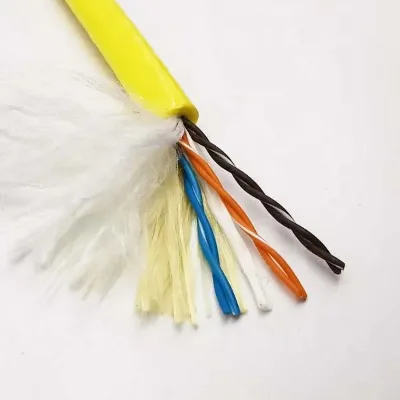


Marine Custom Cable for Offshore Communication and Ship Navigation Systems
$0.60 - $1.10
MOQ: 100 Pieces


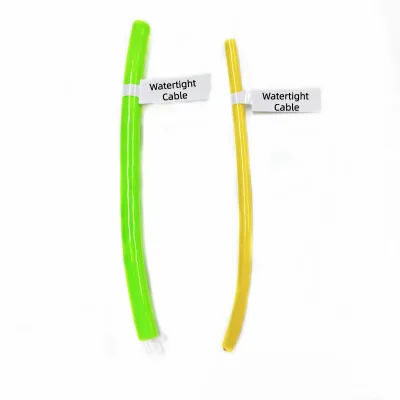


Comprehensive Sourcing Guide
Underwater Communication Marine Cable Sourcing Guide
Sourcing underwater communication marine cables requires a disciplined approach that balances electrical performance with extreme environmental resilience. These specialized cables serve as the critical nervous system for subsea operations, connecting surface vessels to remotely operated vehicles (ROVs), autonomous underwater vehicles (AUVs), and fixed seabed infrastructure. Unlike standard industrial wiring, these products must withstand high hydrostatic pressure, corrosive saltwater environments, and mechanical stress from deployment and retrieval. Buyers must prioritize cables that offer robust insulation and durable sheathing to ensure signal integrity and power delivery over long distances in challenging marine conditions.
The procurement landscape for these components is characterized by a wide range of technical configurations and commercial terms. Market listings indicate a diverse product count, with pricing structures that vary significantly based on conductor material, insulation type, and core count. Minimum order quantities (MOQs) typically range from small trial orders of 10 meters to large industrial batches of 10,000 units, reflecting the specialized nature of the supply chain. Understanding these baseline market signals is essential for buyers to set realistic expectations regarding inventory management, budget allocation, and supplier engagement strategies.
Product Scope and Observed Listing Signals
The current market offers a variety of cable types that overlap in application, including shipboard power cables, marine cables, and specific ROV cables. Observed product attributes reveal that many listings describe cables with round wire shapes and stranded conductor types, which are essential for flexibility in dynamic underwater environments. Insulation materials frequently cited include XLPE (Cross-Linked Polyethylene) and PE (Polyethylene), both of which provide excellent dielectric properties and moisture resistance. Sheath materials are predominantly PVC, chosen for their durability and resistance to abrasion, though buyers should verify if specific high-pressure applications require reinforced jackets or aramid yarn strength members.
Color coding and core configurations are critical identifiers for installation and maintenance. Available colors for these cables include white, red, blue, black, and yellow, allowing for clear phase and signal identification during complex subsea installations. The core structures vary from simple single-core designs to complex multi-core arrangements, with specific models observed such as 220.75, 32.5, and 371 configurations. These numerical designations typically refer to the number of cores and their cross-sectional area, directly impacting the cable’s current-carrying capacity and data transmission capabilities. Buyers must match these physical specifications precisely to their system’s electrical and data requirements.
Technical Specifications to Verify
Voltage ratings and temperature tolerance are primary technical parameters that dictate cable suitability for specific underwater tasks. Observed rated voltages for these products span from 300V to 750V, with nominal voltages often cited as 300/500V, indicating their capability for low to medium voltage applications. Temperature ranges are critical for underwater environments, with some products rated for operation between -40°C and 90°C. This wide thermal tolerance ensures that the cable insulation remains stable during deployment in cold deep-sea waters and during operation where heat generation from power transmission or friction may occur. Buyers must verify that the selected cable’s thermal rating exceeds the maximum expected operating temperature of the specific ROV or subsea equipment.
Conductor material and diameter specifications further define the electrical performance and mechanical flexibility of the cable. Tinned copper is a commonly observed conductor material, offering superior corrosion resistance compared to bare copper, which is vital for longevity in saltwater environments. Single wire sizes observed range from 0.1mm to 0.2mm, while overall cable diameters can span from 0.1mm to 50mm depending on the core count and insulation thickness. The stranded nature of the conductors enhances flexibility, allowing the cable to bend around pulleys and winches without breaking. Buyers should confirm the exact strand count and lay length to ensure the cable meets the flexibility requirements of their deployment machinery.
Compliance and Safety Documentation
Certification requirements for underwater marine cables are stringent, reflecting the safety-critical nature of subsea operations. Products in this category often carry certifications such as CCC, CE, ISO, and RoHS, which indicate compliance with international safety, environmental, and quality management standards. For shipboard applications, adherence to specific standards like IEC 60092-350 is crucial, as these standards define the fire-retardant and flame-resistant properties necessary to prevent fire hazards on vessels. Buyers must request valid certification documents from suppliers and verify that the certificates are current and issued by recognized accreditation bodies.
Reference standards such as IEC 228 provide guidelines for the conductors used in the cables, ensuring consistent electrical performance. While specific standards like IEC 60092 are mentioned in background knowledge, buyers should not assume all listed products automatically comply with every standard without verification. It is essential to cross-reference the supplier’s declared standards with the specific regulatory requirements of the project’s jurisdiction and the classification society rules of the vessel or platform. Documentation should also include material safety data sheets (MSDS) and test reports for flame retardancy, water absorption, and tensile strength to validate the product’s claimed performance characteristics.
Cost Drivers and Commercial Terms
The cost of underwater communication marine cables is influenced by several key factors, including the type of copper used, the complexity of the insulation and sheathing, and the number of cores. Tinned copper conductors are more expensive than bare copper due to the additional processing required to apply the tin coating, which provides essential corrosion protection. Similarly, XLPE insulation is generally more costly than standard PE due to its superior thermal and mechanical properties. Buyers should analyze the bill of materials to understand the cost breakdown and ensure that they are not overpaying for unnecessary features or under-specifying critical components.
Commercial terms such as MOQ, lead time, and packaging also impact the total cost of ownership. Observed MOQs start as low as 100 meters, which is beneficial for prototyping or small-scale repairs, while larger projects may require bulk orders to achieve economies of scale. Delivery times are typically around 20 days, but this can vary based on the complexity of the order and the supplier’s production schedule. Packaging is usually done in cartons, but for long-distance shipping, buyers should inquire about additional protective measures to prevent damage to the cable drums. Negotiating favorable payment terms and clarifying responsibility for shipping and insurance can further optimize the procurement budget.
Supplier Qualification and Quality Control
Selecting a reliable supplier is paramount for ensuring the quality and consistency of underwater marine cables. Buyers should prioritize suppliers with a proven track record in the marine industry, particularly those located in established manufacturing hubs like Jiangsu, China, which is known for its robust cable production infrastructure. Verification of the supplier’s manufacturing capabilities, including their ability to produce customized solutions, is essential. The availability of customization services allows buyers to tailor cable specifications to unique project requirements, such as specific color codes, core counts, or jacket materials.
Quality control processes should be rigorously evaluated before placing orders. Buyers should request information on the supplier’s internal testing procedures, including routine tests for electrical continuity, insulation resistance, and voltage withstand. It is advisable to conduct third-party inspections or factory audits to verify that the supplier’s quality management systems align with international standards. Clear communication regarding defect resolution policies and warranty terms is also crucial. Establishing a strong relationship with the supplier based on transparency and mutual trust can lead to better support during the project lifecycle and more reliable supply chain performance.
Long-Term Procurement Checks
Long-term success in sourcing underwater communication marine cables depends on continuous monitoring of product performance and supplier reliability. Buyers should implement a feedback loop to track the performance of installed cables in real-world conditions, noting any issues related to signal degradation, insulation failure, or mechanical damage. This data is invaluable for refining future procurement specifications and identifying potential improvements in cable design or material selection. Regular reviews of supplier performance metrics, such as on-time delivery rates and defect rates, help maintain high standards of supply chain quality.
As technology evolves, buyers should stay informed about advancements in cable materials and manufacturing techniques that could offer improved performance or cost efficiencies. Engaging with industry forums and attending trade shows can provide insights into emerging trends and new product offerings. Additionally, maintaining a diversified supplier base can mitigate risks associated with supply chain disruptions. By adopting a proactive and data-driven approach to procurement, buyers can ensure that their underwater communication systems remain robust, reliable, and cost-effective over the long term.
FAQs
What materials are used for the conductor and insulation?
The conductor is made of copper, often tinned, while the insulation uses XLPE or PE materials. These materials ensure durability and electrical performance suitable for marine environments.
Which certifications do these marine cables typically hold?
Products often carry CCC, CE, ISO, and RoHS certifications. Some specific shipboard cables also comply with IEC60092-350 standards to ensure safety and reliability in maritime applications.
Can I request customization for these underwater cables?
Yes, customization is available for these products. Buyers can specify requirements for conductor types, insulation materials, and sheath compositions to meet unique project needs.
What is the typical delivery time for these cables?
The delivery time is around 20 days for most orders. This lead time applies to standard specifications and may vary based on order volume and specific customization requests.
What is the minimum order quantity for these cables?
The minimum order quantity starts at 100 meters for many items. Some suppliers may accept orders as low as 10 units depending on the specific product model and packaging.
Where are these underwater communication cables manufactured?
These cables originate from Jiangsu, China. The manufacturing location ensures access to established supply chains for copper conductors and polymer insulation materials used in marine applications.
What voltage ratings are available for these cables?
Rated voltages include 300V, 450V, 600V, and 750V. These ratings cover low and medium voltage applications suitable for various underwater and shipboard power systems.